
Effective Strategies For Safe And Successful Alcohol Withdrawal Management - Chaudhary Foundation
Comparatively, while primary care settings also play a role in identifying at-risk individuals, the acute nature of emergency departments and hospitals demands a more aggressive approach. Detox facilities, on the other hand, specialize in structured withdrawal management but must remain vigilant for atypical presentations or rapid deterioration. For example, a patient in a detox facility with a CIWA-Ar score of 8 may appear stable but could decompensate within hours, underscoring the need for frequent reassessment.
Anxiety and related symptoms
- If you’re a treatment provider and have a question, please reach out and someone from our Customer Success team will be in touch with you shortly.
- Navigating the complexities of benzodiazepine withdrawal is not a journey anyone should take alone.
- Additionally, certain medications may be prescribed to target specific symptoms.
- Recovery after long-term benzodiazepine use is not unlike the gradual recuperation of the body after a major surgical operation.
- For context, a “drink” is defined as 14 grams of pure alcohol—equivalent to a 12-ounce beer, 5-ounce glass of wine, or 1.5-ounce shot of distilled spirits.
Clinicians must screen for these conditions and adjust treatment plans accordingly, often incorporating electrolyte replacement, cardiac monitoring, and consultation with specialists. To effectively assess within this 6-48 hour window, clinicians should use validated tools like the Clinical Institute Withdrawal Assessment for Alcohol-Revised (CIWA-Ar). This tool quantifies withdrawal severity through a 10-item scale, including measurements of nausea, tactile disturbances, and agitation. Administering the CIWA-Ar every 2-4 hours during the first 24 hours ensures symptoms are caught early. For example, a score of 8-15 indicates mild to moderate withdrawal, while scores above 15 signal severe risk, necessitating immediate pharmacological intervention, such as benzodiazepines.

What can I do to avoid dangerous events related to benzodiazepines?
Early assessment not only improves outcomes but also reduces healthcare costs by avoiding emergency interventions. Practical tips for non-clinical settings include monitoring for subtle signs like restlessness, sweating, or irritability, which often precede more overt symptoms. Caregivers should note the time of the last drink and track changes in behavior or vital signs (e.g., elevated marijuana addiction heart rate or blood pressure). If access to medical tools is limited, documenting these observations can provide critical context for healthcare providers. For instance, a patient reporting “feeling shaky” 12 hours after their last drink warrants closer observation, even if CIWA-Ar is unavailable. Short-acting benzodiazepines, like triazolam, pass quickly through the body, so you’ll likely experience withdrawal symptoms sooner — sometimes within a matter of hours.
Symptoms
From mild anxiety and tremors to severe seizures and delirium tremens, each stage requires specific interventions to prevent complications. By understanding the timeline, risk factors, and tools available, healthcare providers and caregivers can effectively manage withdrawal, improving outcomes and saving lives. Early recognition and proactive treatment remain the cornerstones of successful care.
Common Benzos Abused
Benzodiazepines are a class of medications that slow down activity in your brain and nervous system. They’re most often used for treating anxiety and related mental health conditions, as well as brain-related conditions like seizures. These medications are tightly regulated and are only available with a prescription. For patients on less than 4 weeks of benzodiazepine therapy, it should be possible to stop medication without tapering. Alcohol withdrawal is not just a physical challenge; it’s a psychological battleground.
- During the early stages of withdrawal, the person may notice the symptoms of the condition that the drug was treating start to return, or rebound.
- Clinicians must adopt a systematic approach, combining quantitative tools with clinical judgment to identify high-risk patients early.
- In most cases of benzo withdrawal, suddenly stopping the medication is not recommended, as it can be dangerous.
- Because of limited dose formulations, it may be necessary to switch to diazepam even if you are on a fairly long-acting benzodiazepine of relatively low potency (e.g. flurazepam Dalmane).
For instance, untreated DTs have a mortality rate of up to 15%, underscoring the urgency of timely evaluation. Protracted withdrawal symptoms may begin within days or weeks benzo withdrawal timeline of acute withdrawal symptoms subsiding. Another common question of people in recovery is whether withdrawal symptoms come in “waves” where the noticeable withdrawal symptoms go away and then come back. Yes, is it possible for withdrawal to appear to end—particularly after a two-week detox process 5 and then to return as PAWS symptoms.
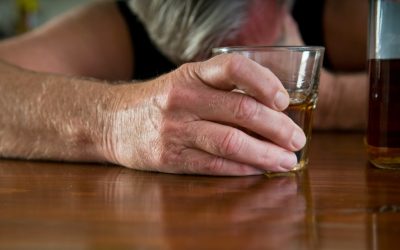
Factors Influencing the Withdrawal Timeline
According to an extensive addiction recovery study by Laudet et al, 78% of successfully recovered participants in the study reported a daily or almost daily spiritual connection through prayer or meditation. Regardless of one’s concept of God or one’s unique personal spiritual beliefs, a spiritual connection was shown to be a valuable resource for anyone in recovery 11. Short-acting benzodiazepines are much more likely to cause rebound symptoms.
( Make sure you have adequate psychological support
Continued regular review may assist in the majority who will successfully cease benzodiazepines in the longer term. There may be a small number of patients whose quality of life improves with the stable use https://ecosoberhouse.com/ of benzodiazepines. The decision to continue long-term benzodiazepine treatment needs to be clearly documented. The decision may also involve a second opinion by a specialist in an area relevant to the patient’s needs. These patients still require regular, ongoing review and re-assessment of the risks and benefits of benzodiazepine use.